Fishing Tips
What to Pack for a 7-Day Liveaboard Fishing Trip
A practical packing list for a week on a liveaboard fishing trip to Indonesia or the Maldives. What you actually need, what you can leave behind, and what most anglers forget.
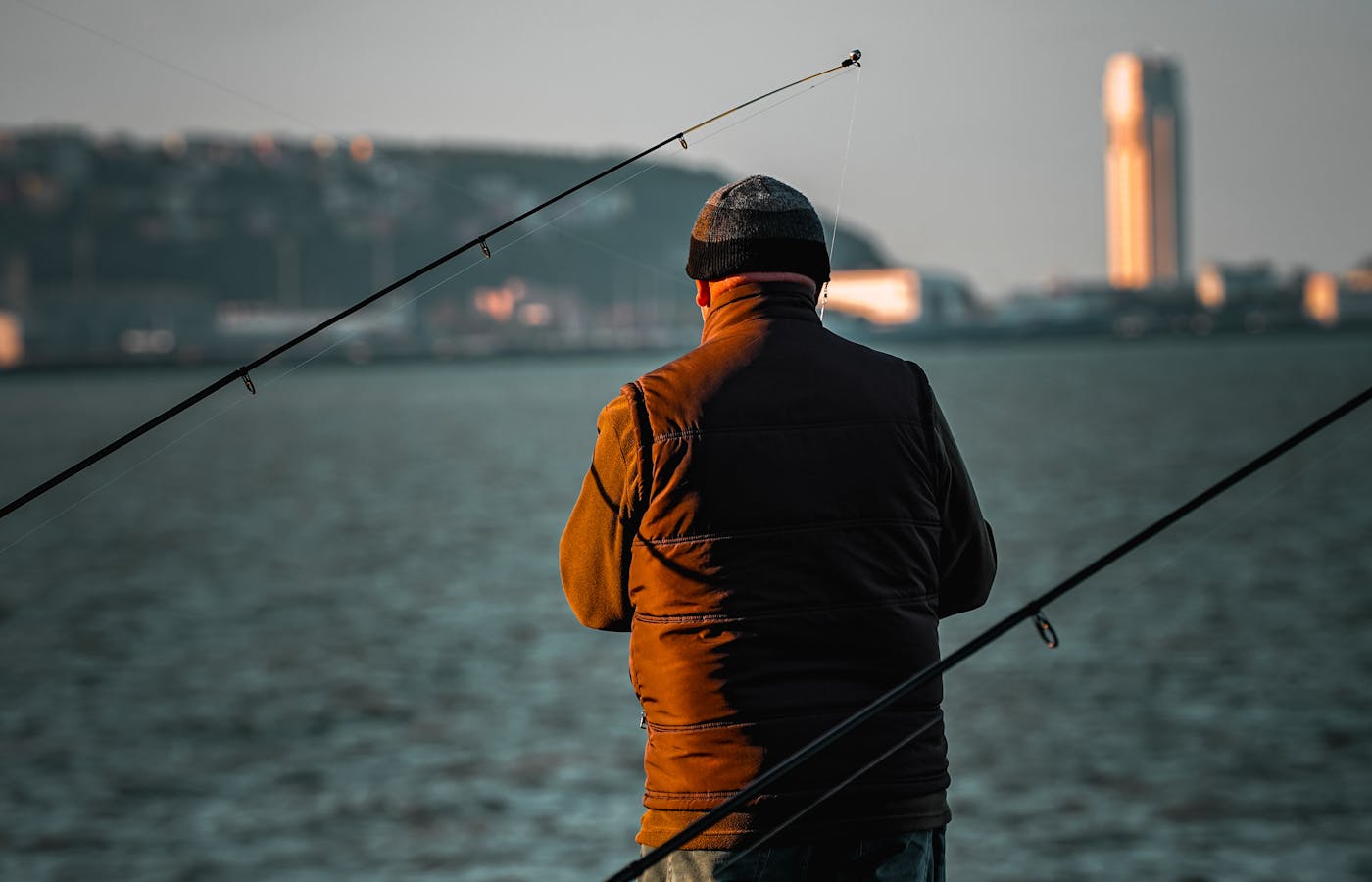
Booking your first serious saltwater fishing trip can be overwhelming. Here's a practical framework for choosing the right charter — what to ask, what to avoid, what actually matters.
6 April 2026Your first serious saltwater fishing charter is a big commitment — time, money, and expectation. The wrong choice means a disappointing trip. The right choice means an experience that ruins ordinary fishing for you forever.
Here's the practical framework for picking the right one.
The most common mistake is picking a destination first. Better approach: pick a goal first.
Ask yourself:
Some quick matches:
Two main charter formats:
Pros: Access to remote sites, more fishing hours per day, immersive experience, social with other anglers.
Cons: Higher cost, less privacy, no escape if you don't get along with other guests, sea sickness risk.
Best for: serious anglers, multi-day commitment, remote destinations.
Pros: Comfortable accommodation, restaurants, family-friendly, no overnight sea sickness.
Cons: Limited to fishing within boat range, less time on water, often more touristy.
Best for: family trips, first-timers, destinations with strong resort infrastructure (like Maldives).
Pros: Full control of itinerary, no other guests, custom focus.
Cons: Significantly higher cost per person if group is small.
Best for: groups of 4–8 who want to fish specific zones / target specific species.
The questions that separate professionals from chancers:
Avoid operators that:
Look for operators that:
A realistic range for premium fishing charters:
If you're seeing prices significantly below these ranges, ask hard questions about what's being cut.
Non-negotiable. Comprehensive travel insurance covering trip cancellation, medical evacuation, and lost equipment is essential — particularly in remote destinations where evacuation costs can run into the tens of thousands of dollars.
Most reputable operators require proof of coverage at least one week before departure.
Three sources of truth:
1. Past client reviews — particularly on independent platforms, not just the operator's own site
2. Conversations — get on the phone or WhatsApp with the operator. How they communicate tells you a lot.
3. References — ask to be put in touch with anglers who've done your specific trip
The biggest predictor of a great fishing trip is matching the trip to the angler. A trophy-class operator running 12-hour days is wasted on a casual angler who wanted a fishing-and-snorkelling holiday. A relaxed resort-based operator is wasted on a serious angler who came for trophies.
Be honest with yourself about what you want. Find the operator that matches it.
We run small-group expeditions to Indonesia and the Maldives — purposefully kept under 8 anglers per trip, with itineraries built around real conditions. View our upcoming trips or send us an enquiry to discuss whether one fits.
A practical packing list for a week on a liveaboard fishing trip to Indonesia or the Maldives. What you actually need, what you can leave behind, and what most anglers forget.
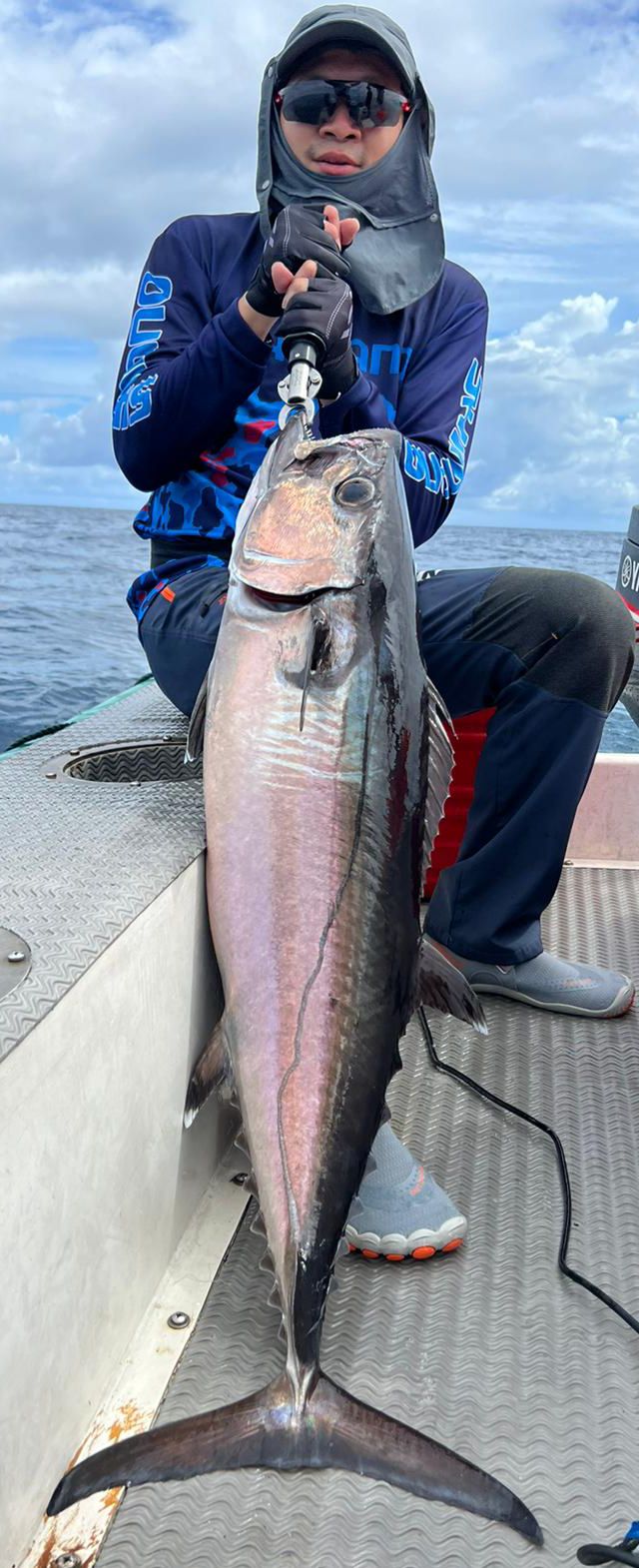
Both are world-class saltwater fisheries. They fish very differently. Here's the honest comparison: logistics, species, cost, experience — and how to choose between them.
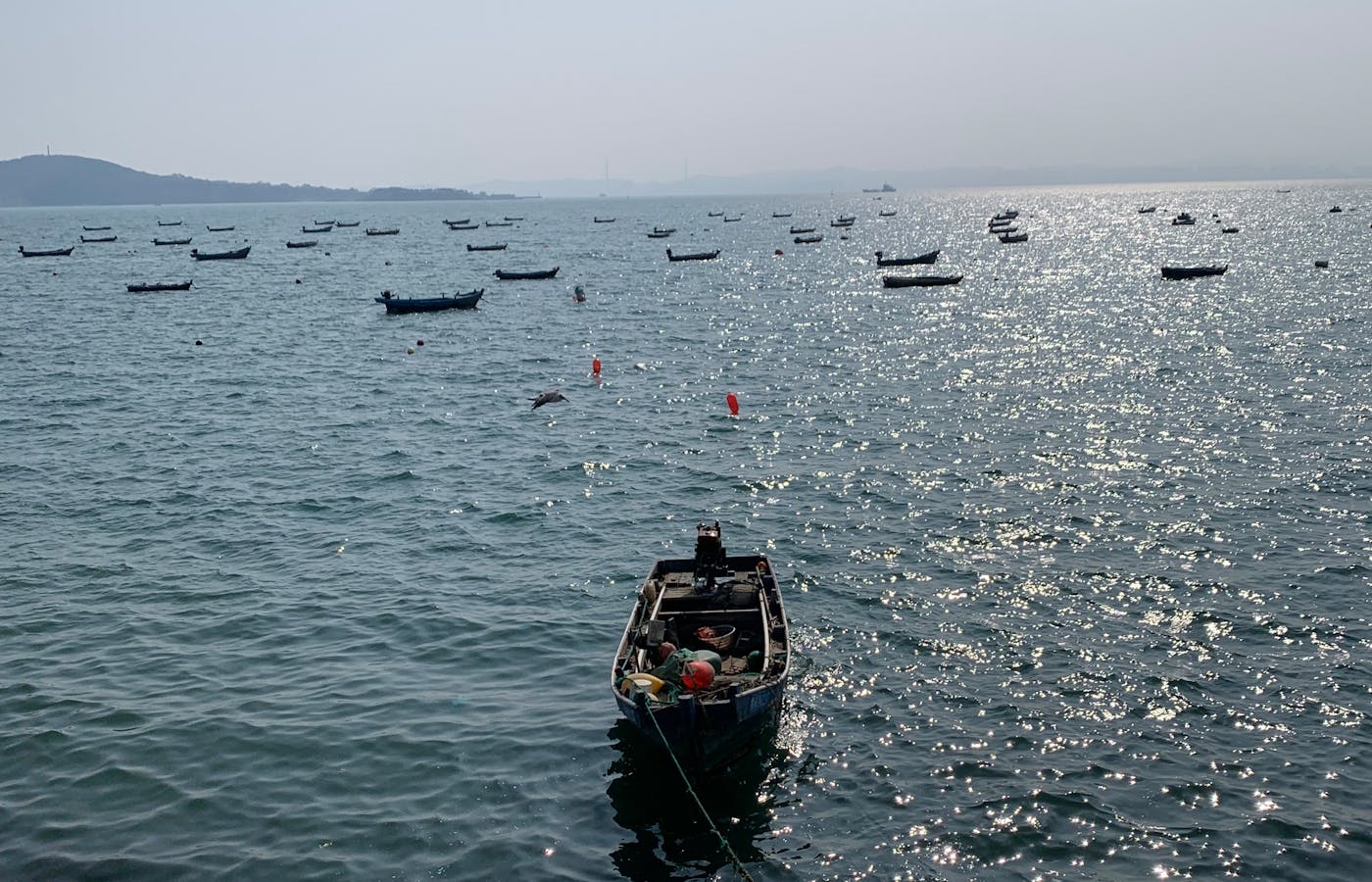
Premium saltwater fishing charters aren't cheap, but pricing varies dramatically by destination, vessel, and operator. Here's an honest breakdown of what you should expect to pay — and why.