Raja Ampat and the Maldives are the two destinations most serious anglers ask about when planning their next major saltwater trip. Both are world-class. Both deserve their reputation. But they're very different experiences — and the right choice depends on what you actually want.
Here's the honest comparison.
Quick verdict
- Pick Raja Ampat if: You want trophy-class GT and dogtooth in the world's most biodiverse marine ecosystem, you don't mind harder logistics, and you're willing to invest in serious gear.
- Pick the Maldives if: You want easier logistics, broader pelagic action (sailfish particularly), more comfortable infrastructure, and seasonal flexibility.
The deeper version below.
Species comparison
Indonesia (Raja Ampat, West Papua)
- GT: Trophy class, often 30–50kg+, with the most aggressive feeding behaviour in the Indo-Pacific
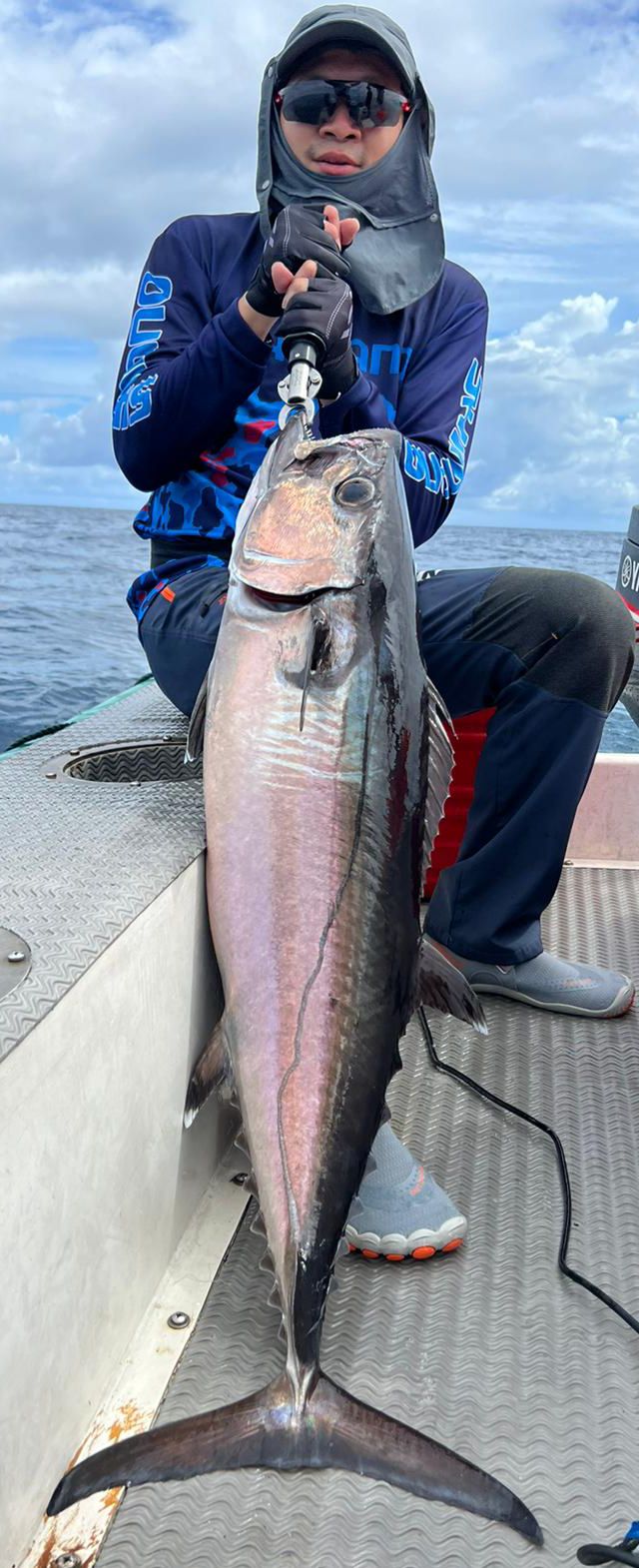
- Dogtooth Tuna: World-class trophy fishery, 40kg+ regular
- Spanish Mackerel, Wahoo, Sailfish: Solid but not the headline draws
- Yellowfin Tuna: Good, offshore
- Marlin: Possible in deeper offshore zones
Maldives
- GT: Excellent class fish, generally smaller average size than Indonesia but more consistent numbers
- Sailfish: World-class, particularly Nov–March in central atolls
- Yellowfin Tuna: Excellent offshore
- Dogtooth Tuna: Strong, particularly in Vaavu channels
- Wahoo: Reliable
- Marlin: Less common than other destinations
Headline: If you want trophy GT and dogtooth, Indonesia. If you want a broader pelagic mix with sailfish in the spotlight, Maldives.
Logistics comparison
Indonesia
- Flights: Singapore → Jakarta → Sorong (typically 2 flights, 8–10 hours total)
- Transfer: 2–4 hour boat run to liveaboard from Sorong
- Visa: Visa on arrival or e-visa, straightforward
- Internet: Limited to none on most fishing zones
- Total journey from major Asian hubs: 12–18 hours
Maldives
- Flights: Singapore → Male direct (5 hours), or via Colombo
- Transfer: Speedboat or seaplane (30 minutes to 1.5 hours typically)
- Visa: Free 30-day visa on arrival for most nationalities
- Internet: Available in most resorts, weak on remote liveaboards
- Total journey from major Asian hubs: 7–10 hours
Headline: Maldives is significantly easier. Indonesia requires more travel time and more remote logistics.
Cost comparison
For a serious 7-day trip:
Indonesia
- Raja Ampat liveaboard: SGD 7,000–15,000 per angler
- West Papua expedition: SGD 10,000–18,000+ per angler
- Plus flights: SGD 1,500–2,500
- Plus permits, tips, etc: SGD 500–1,500
Total estimate: SGD 9,000–22,000
Maldives
- Resort-based fishing trip: SGD 3,000–6,000 per angler
- Liveaboard expedition: SGD 5,000–12,000 per angler
- Plus flights: SGD 800–1,500
- Plus tips, etc: SGD 300–800
Total estimate: SGD 4,000–14,000
Headline: Maldives is meaningfully cheaper for comparable quality, particularly resort-based trips.
Experience comparison
Indonesia
- Setting: Remote, wild. Limited infrastructure. No tourist crowd.
- Vessels: Mostly fishing-focused liveaboards or expedition boats. Comfortable but utilitarian.
- Group size: Typically 6–10 anglers per trip.
- Daily rhythm: Hard fishing, dawn-to-dusk sessions, immersive experience.
- Non-fishing: Snorkelling, diving, exploring islands. Limited resort comforts.
Maldives
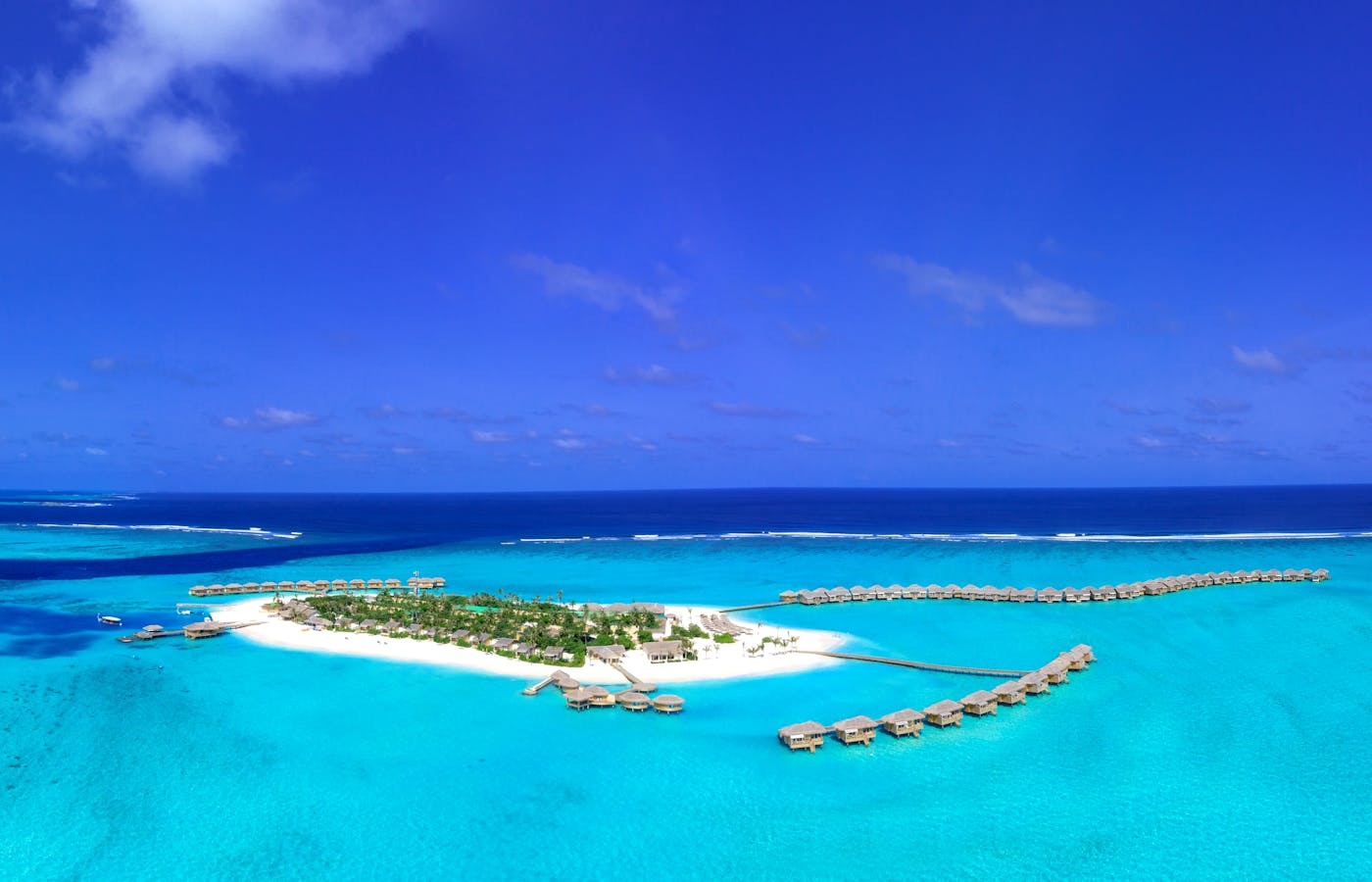
- Setting: Combination of remote and resort. Choose your level of comfort.
- Vessels: Range from premium liveaboards to day boats from luxury resorts.
- Group size: Variable — 2–4 on private charters, 6–12 on group liveaboards.
- Daily rhythm: Often more relaxed pace, especially resort-based.
- Non-fishing: Full resort amenities, spa, family-friendly activities.
Headline: Indonesia is for serious anglers who want immersive fishing. Maldives accommodates a wider range from serious to leisure.
Best season comparison
Indonesia
- Peak: October to April
- Off-season: May to September (workable but harder)
Maldives
- Peak: October to April (NE monsoon)
- Off-season: May to September (SW monsoon — productive in northern atolls)
Headline: Similar seasonal patterns, but Maldives offers more workable monsoon-season fishing due to north-south atoll distribution.
Gear comparison
Indonesia
- GT: PE 8–10 heavy popping setups
- Jigging: PE 6–8 with 300–500g jigs
- Conditions demand: Heavier gear, more abrasion resistance
Maldives
- GT: PE 6–8 popping setups
- Jigging: PE 5–6 with 200–300g jigs
- Conditions demand: Lighter gear works for many situations
Headline: Indonesia requires heavier gear. Maldives allows lighter tackle and more sporting fights.
Best for which angler?
Indonesia (Raja Ampat / West Papua) is best for:
- Trophy-focused anglers
- Experienced GT and dogtooth specialists
- Anglers willing to invest in heavy gear and longer travel
- Anglers seeking remote, immersive expeditions
- Repeat saltwater anglers looking for their "best ever" trip
Maldives is best for:
- First-time serious saltwater fishing trip
- Anglers chasing sailfish or broader pelagic mix
- Anglers traveling with non-fishing partners or family
- Anglers with shorter travel windows
- Anglers wanting flexibility in trip length and style
- Repeat fishing trips to a destination that's easy to return to
The honest answer
For most experienced anglers asking "which one first," the answer is usually Maldives.
Easier logistics, lower cost, broader fishing variety, and gentler introduction to serious saltwater. A trip there gives you the saltwater fishing experience without the heavy commitment of an Indonesia trip.
Then once you've fished the Maldives and decided you want more — bigger GT, more remote, more focused — Indonesia becomes the natural next step.
For specialists who already know exactly what they want — particularly trophy GT or dogtooth — Indonesia is the right answer from the start.
Can you do both?
Absolutely, and many serious anglers do. The trips are different enough that there's no contradiction.
A common progression:
1. First serious trip: Maldives, get comfortable
2. Second trip: Raja Ampat, learn the heavier fishing
3. Third trip: West Papua, trophy focus
Ready to pick?
We run small-group expeditions to both. View upcoming Indonesia trips and Maldives trips. Or contact us to discuss which makes sense for your dates, budget, and experience level.