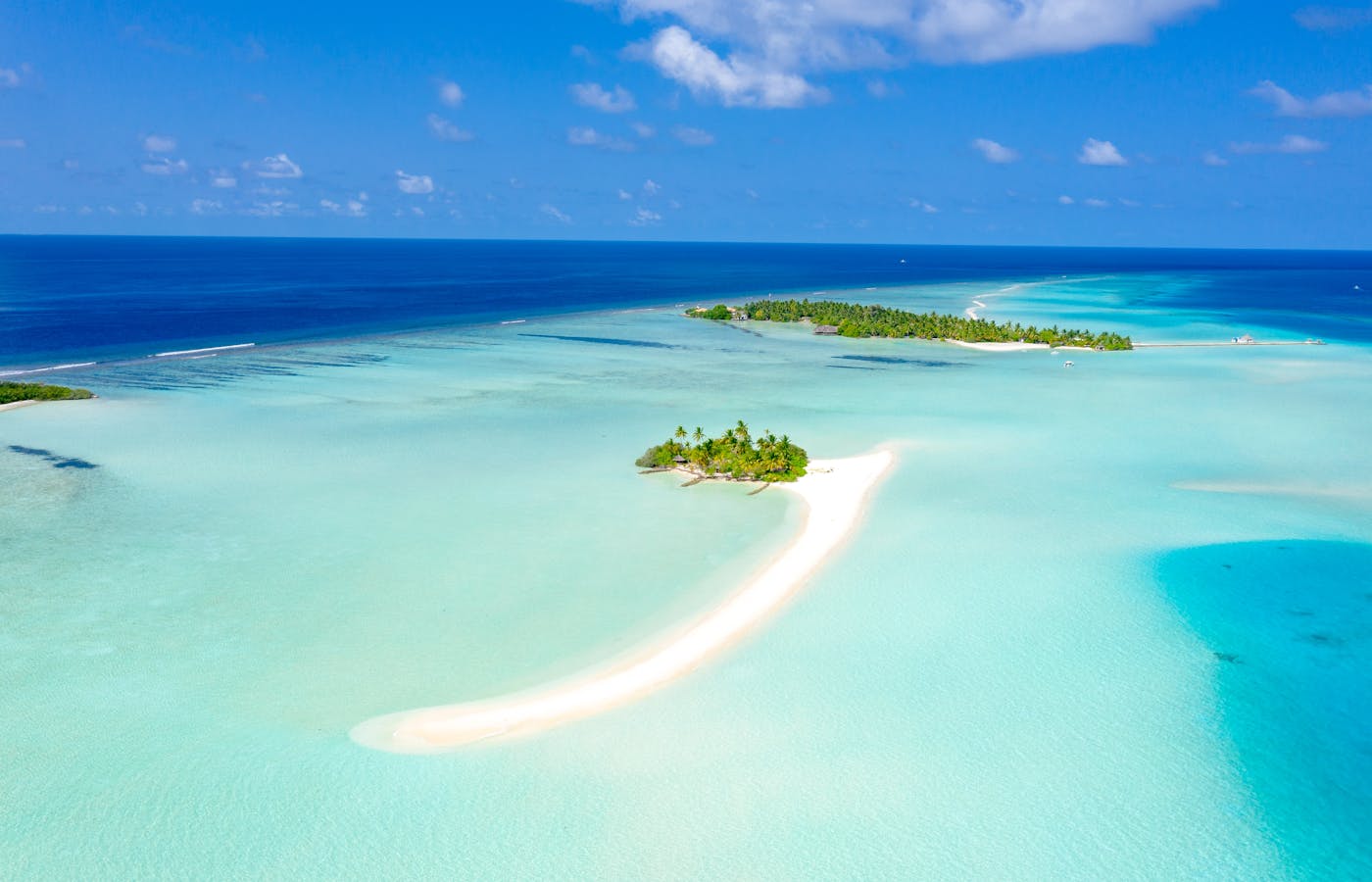
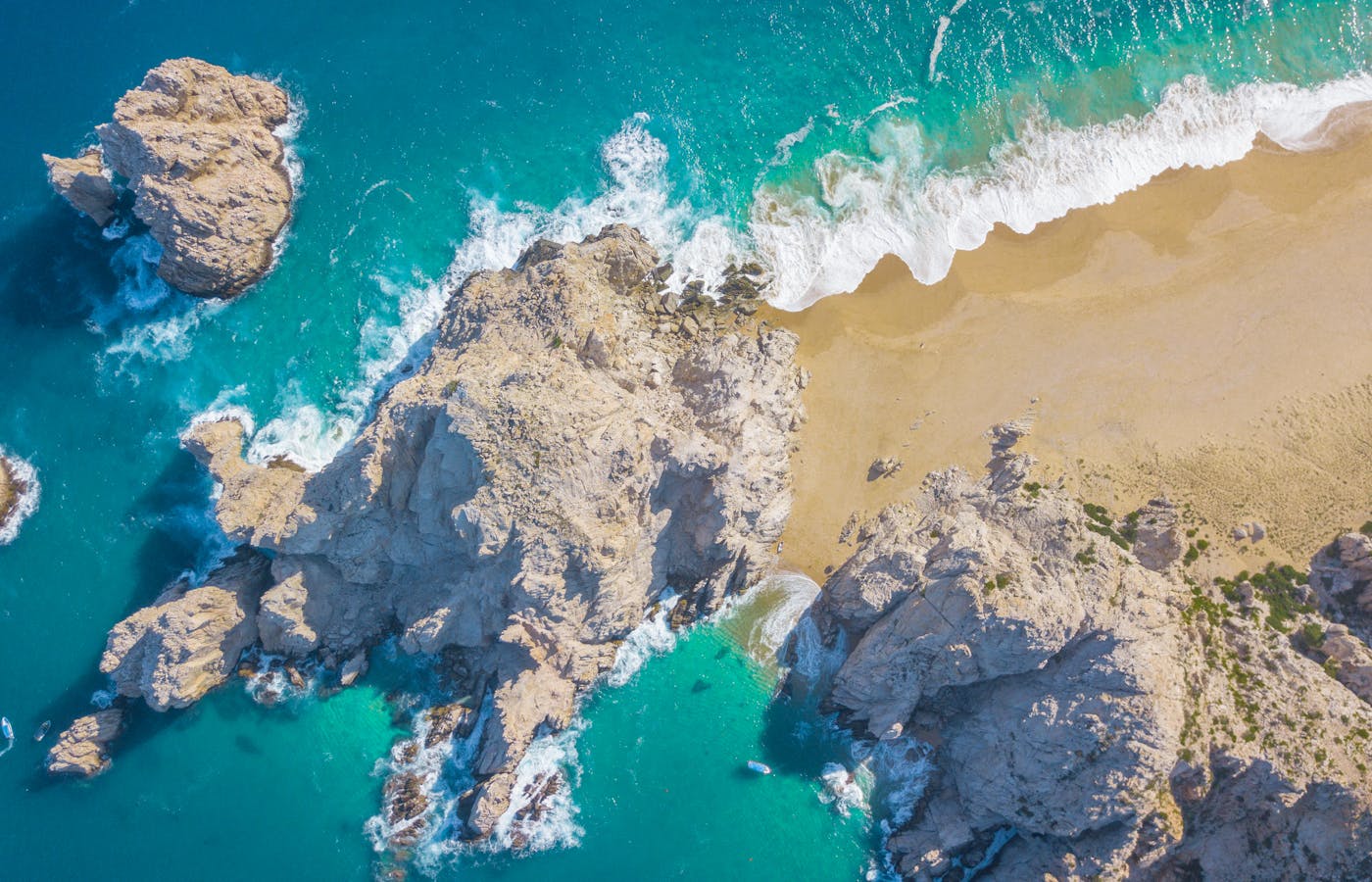
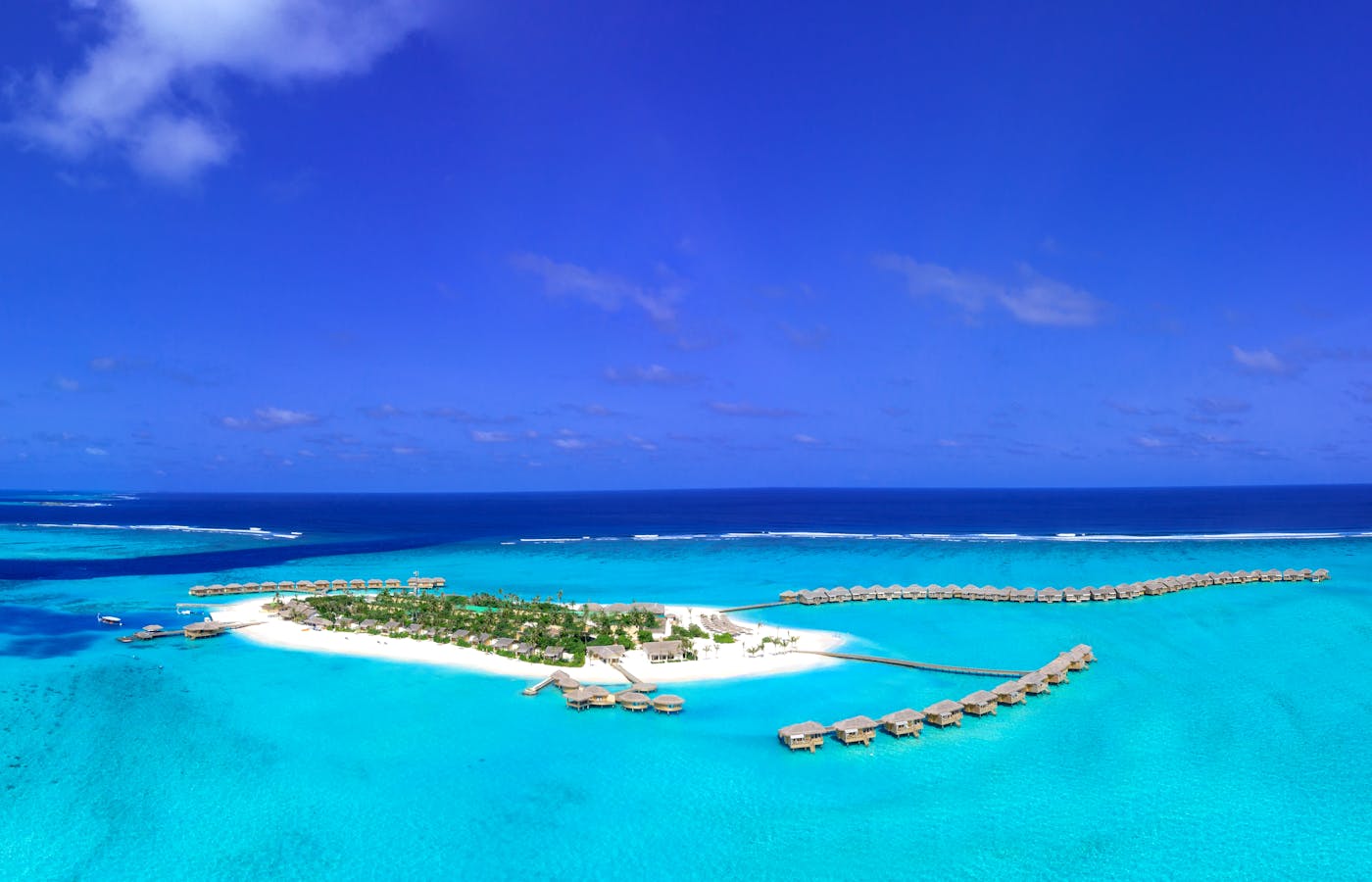
The Maldives is best known for honeymoon villas and dive resorts. What most travellers never see is the saltwater fishery underneath — 800km of atolls stretching across the Indian Ocean, with some of the most productive bluewater and reef fishing on the planet.
This is the practical guide: what to target, where, when, and what to expect from a serious fishing trip to the Maldives.
Why fish the Maldives?
Three reasons.
One: the geography. 26 natural atolls scattered across deep ocean means an endless mix of channel mouths, reef edges, and offshore drop-offs — every one of them a potential ambush point for predatory fish.
Two: species mix. GT, sailfish, yellowfin tuna, wahoo, dogtooth tuna, barracuda, and marlin are all in play in the right zone at the right time.
Three: under-fished pressure. Most of the Maldives' fishing tourism is reef-based, line-and-handline traditional fishing. Sport fishing for the headline pelagics is still small-scale, especially in the outer atolls.
Which atolls should I fish?
There's no single answer — it depends on the season. We recommend three:
Lhaviyani (north)
Best for: GT, sailfish, yellowfin tuna. Season: October to April peak, but fishable year-round including SW monsoon.
Vaavu (central)
Best for: GT on the channel edges, dogtooth on the deeper drops. Strong tidal flows make for productive but technical fishing.
Meemu (south-central)
Best for: sailfish, marlin, wahoo. Offshore bluewater fishing dominates here.
When is the best time to fish the Maldives?
NE Monsoon — October to April
The headline window. Calm seas on the western side of the country, excellent visibility, and the most consistent GT action. Sailfish numbers peak around November to March.
SW Monsoon — May to September
The southwest monsoon brings wind and chop, particularly to the western and southern atolls. But it doesn't kill fishing — it shifts it. The northern atolls (Haa Alif, Haa Dhaalu, Lhaviyani) and the eastern sides of central atolls stay productive. Currents intensify, which actually concentrates pelagics on the reef edges.
The trick during SW monsoon is to pick the right atoll. Avoid the south (Addu, Gaafu Dhaalu) during peak monsoon.
What species can you target?
- Giant Trevally (GT) — channels and reef edges, year-round with a clear peak Oct–Apr
- Sailfish — peak Nov–Mar in the central atolls, sight-fished on the surface
- Yellowfin Tuna — offshore, jigging or trolling
- Wahoo — high-speed trolling along the drop-offs
- Dogtooth Tuna — deep jigging on pinnacles and channel walls
- Barracuda, mahi-mahi, jacks — bycatch on most days
- Black Marlin — rarer but possible, particularly in southern atolls
How does a Maldives fishing trip work?
Most fishing trips are liveaboard-based. You board a vessel in Male (the capital), and the boat moves between atolls as conditions dictate. Smaller trips work out of a single resort base with daily speedboat runs.
Typical day: pre-dawn breakfast, on the water by 06:00, fish through the morning tide, return for lunch, second session in the afternoon. Sunset reef sessions are common.
Is the Maldives good for beginners?
Yes — and for advanced anglers. The fishing scales. Beginners can chase reef fish and small jacks in shallow water with light tackle. Experienced anglers can target sailfish on poppers or chase 30kg+ dogtooth on heavy jigs. A good guide will match the day to your group's level.
How much does it cost?
Liveaboard fishing trips to the Maldives typically run SGD 5,000–12,000 per angler for 7 days, depending on vessel quality, group size, and inclusions. Speedboat day trips from a resort base run a few hundred SGD per session but limit your reach.
Maldives vs Indonesia — which should I pick?
Short answer: both, eventually. Different fishing experiences.
- Indonesia (Raja Ampat / West Papua): more remote, more biodiverse, harder/heavier fishing for GT and dogtooth, longer logistics.
- Maldives: easier logistics, more bluewater pelagic action (sailfish especially), greater seasonal flexibility, more comfortable infrastructure.
If sailfish is on your list, lead with the Maldives. If GT is the only thing that matters, lead with Indonesia.
Ready to plan a trip?
We curate Maldives expeditions around seasonal peaks and atoll-specific conditions — not blanket itineraries. View upcoming Maldives trips or send us an enquiry to plan a custom expedition around your dates and target species.