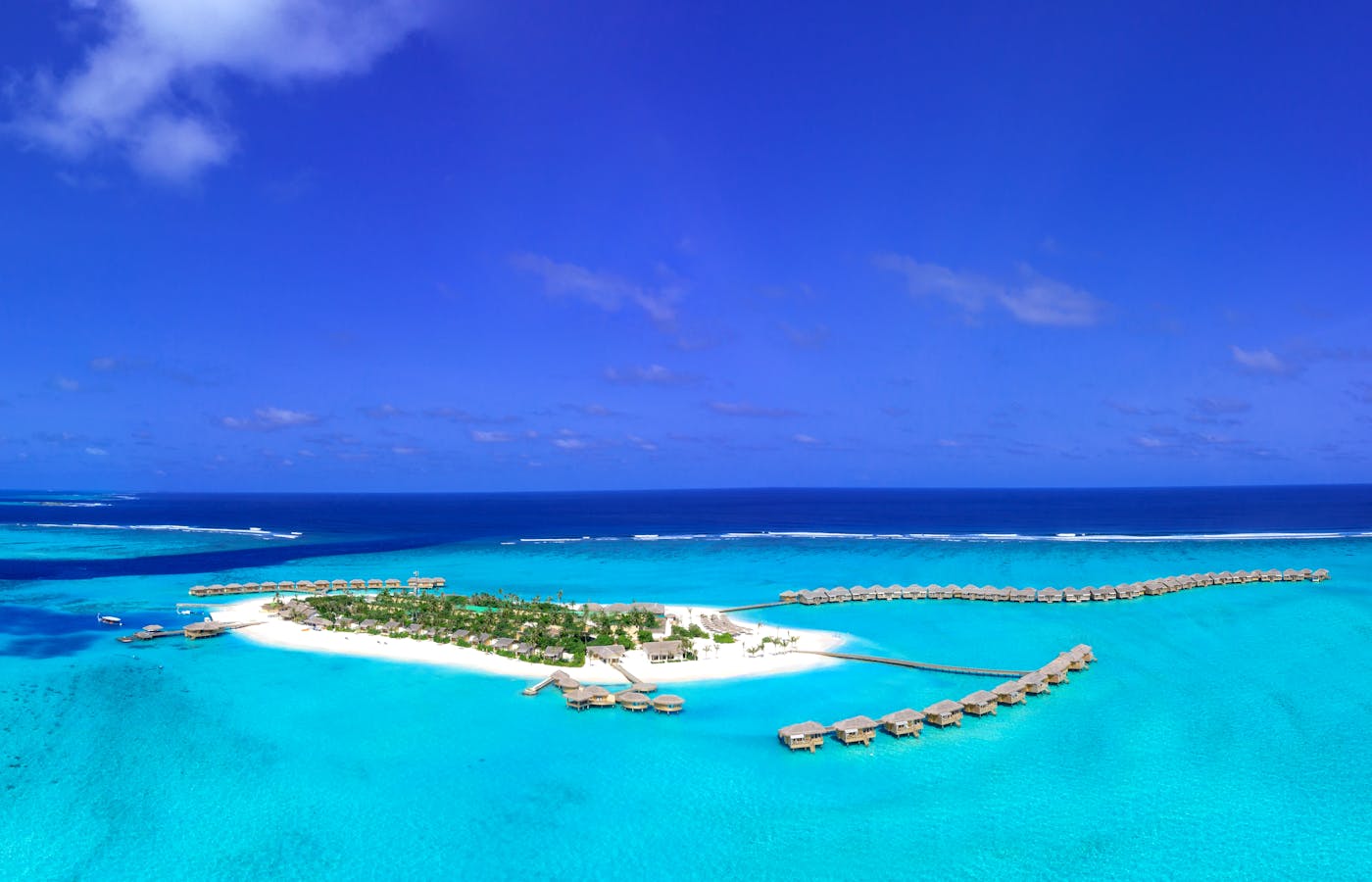
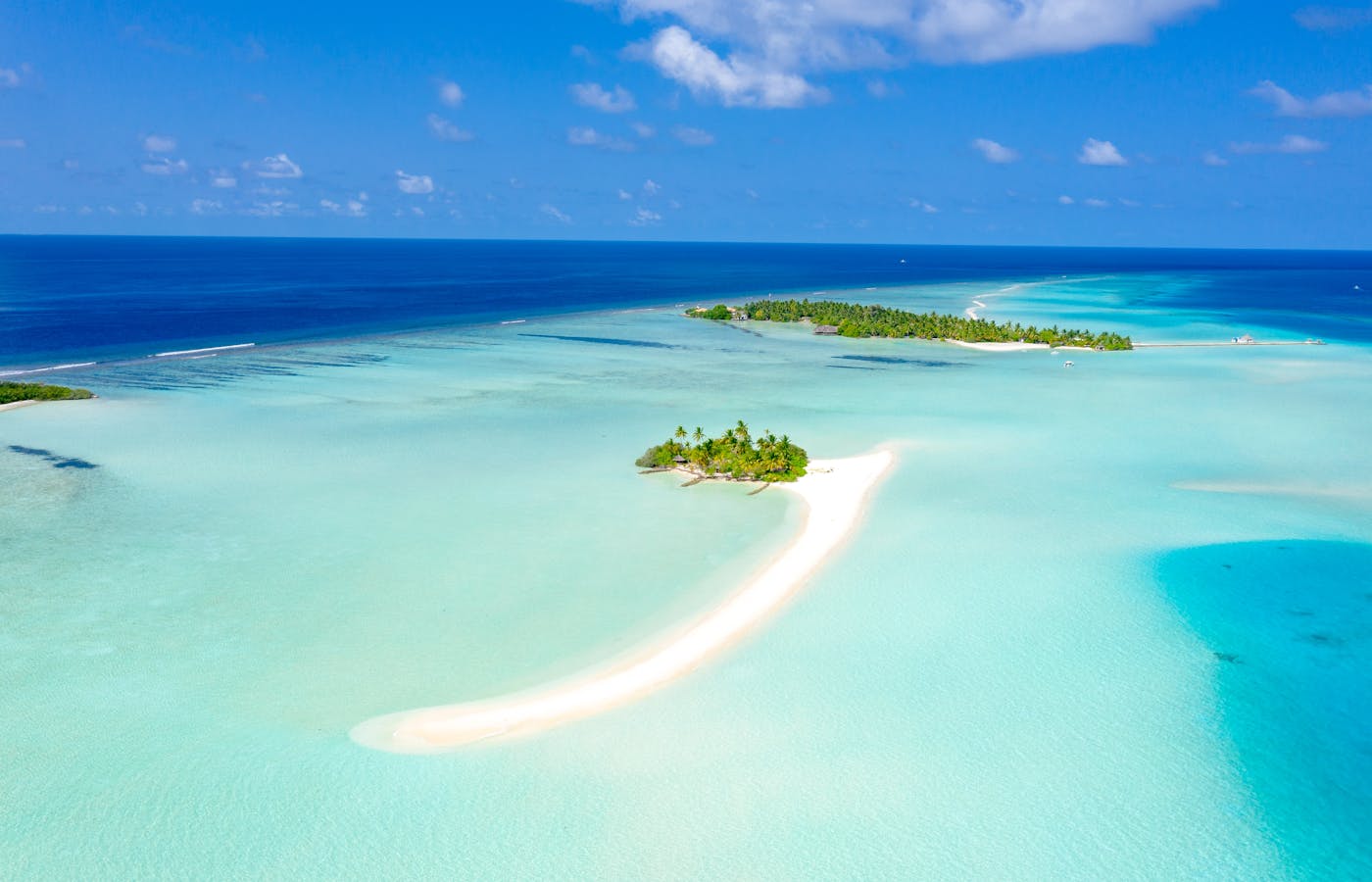
Lhaviyani Atoll sits in the northern Maldives, about 120km from Male. It's a fishery that quietly delivers when other parts of the Maldives are weather-affected — which is one reason serious anglers keep coming back.
This is what you need to know about fishing Lhaviyani: what's there, when to come, and how to fish it.
Why Lhaviyani?
Three reasons stand out.
Geographical sweet spot. Northern atolls stay productive during the SW monsoon when central and southern atolls get hammered by wind. Lhaviyani offers some of the best monsoon-season fishing in the country.
Reef structure. Lhaviyani's atoll rim has multiple deep channels that funnel current, baitfish, and predators. GT, dogtooth, and snapper all stack up on these channel edges.
Bluewater access. Sailfish and yellowfin tuna are within easy reach offshore — typically a 30–60 minute run from the atoll edge.
What can you catch in Lhaviyani?
- Giant Trevally (GT) — the main popping target, peaks at dawn and dusk on the channel edges
- Sailfish — offshore bluewater, peak November to March
- Yellowfin Tuna — deep jigging or trolling beyond the atoll edge
- Dogtooth Tuna — deeper channel structure, jigs
- Wahoo — high-speed trolling on the drop-offs
- Barracuda, jacks, snapper — reliable on most days
When is the best time to fish Lhaviyani?
NE Monsoon (October to April)
The textbook best window. Calm seas, excellent visibility, GT bite at its most consistent. Sailfish numbers peak in this season.
SW Monsoon (May to September)
Still very fishable. Lhaviyani is far enough north that monsoon impact is moderate — the western side of the atoll gets some wind, but the eastern reef edges remain productive. This is when serious anglers who want fewer crowds and lower prices often book Lhaviyani trips.
How do trips work?
Most Lhaviyani fishing trips are based out of a single resort or liveaboard. Daily speedboat runs hit the productive zones based on tide phase:
- Pre-dawn: transit to the channel mouth, ready for the first light bite
- Morning: GT popping along the reef edges, switching to jigs if surface bite slows
- Midday: bluewater run offshore for sailfish or yellowfin
- Afternoon: reef fishing, popping, or downtime depending on tide
Liveaboards have the advantage of repositioning overnight to follow conditions across multiple atolls.
What gear should I bring?
Standard Maldives setup works fine for Lhaviyani:
- PE 8 stickbait/popper rod for GT
- PE 5–6 jig rod for dogtooth and yellowfin
- Light trolling setup for wahoo and bluewater pelagics
- Bait/jig rod for reef sessions
Most operators provide tackle. Bringing your own preferred lures (stickbaits especially) is worth the case.
What's the fishing actually like in Lhaviyani?
Reliable. That's the word most experienced anglers use. Lhaviyani isn't the most extreme fishery in the country — you're unlikely to land the biggest dogtooth of your life here — but you're very likely to leave with a strong fish count and good GT action.
For first-time Maldives anglers, Lhaviyani is a strong starting point. For experienced anglers, it's a reliable base when other atolls are weather-affected.
How much does a Lhaviyani trip cost?
Resort-based fishing trips run SGD 3,000–6,000 per angler for a 5–7 day stay, depending on the resort tier and fishing package. Liveaboard expeditions covering Lhaviyani as part of a multi-atoll route run higher — SGD 6,000–10,000+ per angler.
Ready to fish Lhaviyani?
We run Lhaviyani trips year-round, with seasonal emphasis on the conditions. View upcoming Maldives trips or send us an enquiry to plan a custom expedition.