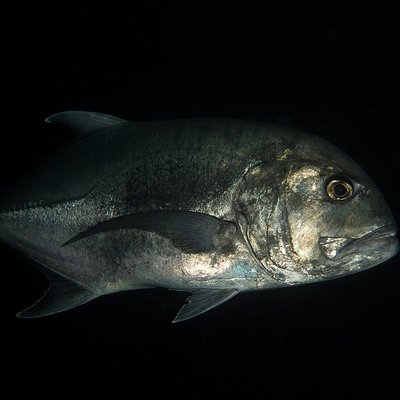
Species Guide
Giant Trevally on Poppers: A Complete Tactical Guide
GT popping is the most exciting form of saltwater fishing on the planet. Here's the practical guide: rods, reels, lures, retrieves, timing, and what actually triggers GT to attack.
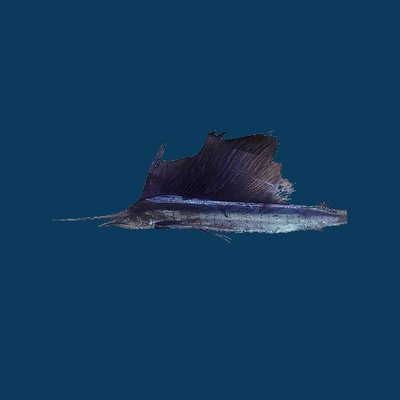
The Maldives has one of the most underrated sailfish fisheries in the Indian Ocean. Here's the practical breakdown: when to come, where to fish, and the techniques that actually work.
27 April 2026The Maldives doesn't get the sailfish marketing that Panama or Kenya does. It probably should. The central and southern atolls hold strong sailfish populations from November to March, and the fishery is genuinely under-pressured.
If you want sailfish on light tackle in clear water, surrounded by some of the prettiest scenery in the ocean, this is the destination.
Istiophorus platypterus (Indo-Pacific sailfish). A billfish characterised by its enormous dorsal fin — the "sail" — which it raises during feeding to herd baitfish.
Indo-Pacific sailfish run smaller than their Atlantic cousins. Maldivian fish typically weigh 20–40kg. What they lack in size they make up for in numbers, aerial fights, and visual hunting behaviour.
The peak window is November to March. This corresponds with the NE monsoon, when the western and central atolls have calm seas, clear water, and concentrated baitfish.
Outside this window sailfish are still caught but in lower numbers and with less consistency.
The central and southern atolls produce most consistently:
Sailfish are visual feeders. The most effective Maldives technique is sight fishing — running offshore, scanning the surface for active fish or feeding behaviour:
Two main approaches:
Sailfish in the Maldives are usually fished on light to medium tackle. Heavy gear is unnecessary and reduces the sport.
Sailfish put on the best aerial show in saltwater fishing. Expect 5–15 jumps from a hooked fish, often spectacular leaps fully clear of the water. The actual fight is shorter than the show — most sailfish are landed in 15–30 minutes on appropriate tackle.
Don't over-tackle. A 30lb sailfish on a 130lb rod is unsporting. The right balance is enough drag to land the fish without exhausting it, but light enough to let it perform.
Every Maldives sailfish should be released. Modern best practice:
Most operators offer sailfish-focused trips as part of broader Maldives itineraries. We run dedicated sailfish expeditions during the peak November–March window, with itineraries based around Meemu and Vaavu atolls. View upcoming Maldives trips or contact us to plan a sailfish-focused expedition.
GT popping is the most exciting form of saltwater fishing on the planet. Here's the practical guide: rods, reels, lures, retrieves, timing, and what actually triggers GT to attack.
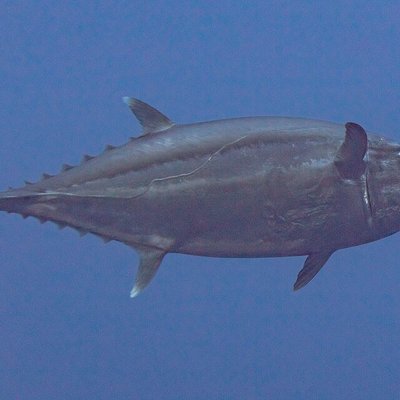
Dogtooth tuna are one of the hardest-fighting fish in the ocean. Here's where to find them, what gear actually stops them, and the technique that produces trophies.
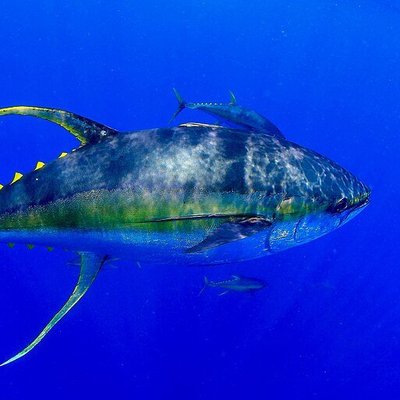
Yellowfin tuna are the bluewater hallmark of the Indian Ocean. Here's where to find them, what tactics work, and what tackle stops a 50kg+ fish in deep water.