Species Guide
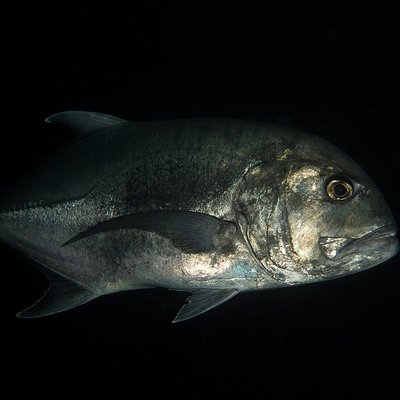
Giant Trevally on Poppers: A Complete Tactical Guide
GT popping is the most exciting form of saltwater fishing on the planet. Here's the practical guide: rods, reels, lures, retrieves, timing, and what actually triggers GT to attack.
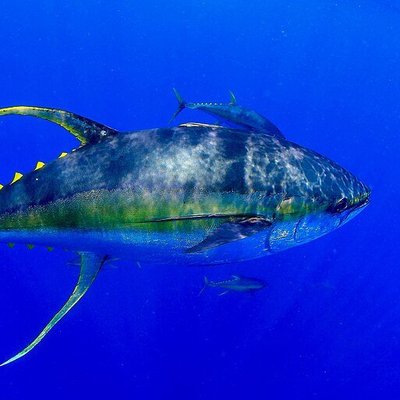
Yellowfin tuna are the bluewater hallmark of the Indian Ocean. Here's where to find them, what tactics work, and what tackle stops a 50kg+ fish in deep water.
24 April 2026Yellowfin tuna are the bluewater fish that taught most anglers what hard pull really means. In the Indian Ocean — particularly around the Maldives and Indonesia — yellowfin grow large, fight harder than most fish twice their size, and provide some of the most reliable deep-water sport fishing on the planet.
Here's how to fish them.
Thunnus albacares. A pelagic tuna species characterised by its bright yellow finlets and long second dorsal and anal fins. Trophy-class fish are 60kg+, with Indian Ocean specimens regularly caught in the 30–80kg range.
They're schooling fish. Find one, and you've often found a hundred.
The productive zones:
Yellowfin are caught year-round in tropical Indian Ocean waters, but there are seasonal peaks driven by water temperature and bait movement.
In the Maldives:
Yellowfin are bluewater fish. They follow bait, temperature breaks, and current edges. Three reliable indicators:
Birds. Frigatebirds and terns hovering over the water often indicate yellowfin pushing bait to the surface.
Surface boils. Tuna feeding on baitfish create visible disturbance — water boiling, splashing, sometimes airborne fish.
FADs. Fish aggregating devices (floating structures) hold yellowfin reliably in some zones.
Yellowfin fight hard. Don't under-gun.
Yellowfin are dirty fighters. They dive, they sound, and they run in circles. The "death spiral" — when a hooked tuna circles slowly under the boat — can take 30+ minutes on big fish.
Drag pressure matters. Smooth, sustained drag is more important than peak drag. Anglers who panic and lock down too hard lose fish.
Plan for 30–90 minute fights on 40kg+ fish.
If keeping: ike-jime (brain spike) immediately, then ice. Yellowfin spoil fast in tropical heat — ice within minutes, gut within an hour.
If releasing: keep the fish in the water. Use a release ruler or estimate length for record-keeping. Yellowfin do release well if handled fast.
Trophy yellowfin (60kg+) require dedicated trips. The smallest fish in the school tend to feed most aggressively, which means catching big yellowfin often requires:
Our Maldives and Indonesia expeditions both target yellowfin as a primary or secondary species depending on the trip focus. View upcoming trips or contact us to plan a yellowfin-focused expedition.
GT popping is the most exciting form of saltwater fishing on the planet. Here's the practical guide: rods, reels, lures, retrieves, timing, and what actually triggers GT to attack.
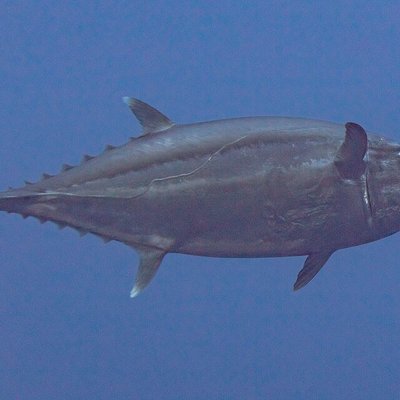
Dogtooth tuna are one of the hardest-fighting fish in the ocean. Here's where to find them, what gear actually stops them, and the technique that produces trophies.
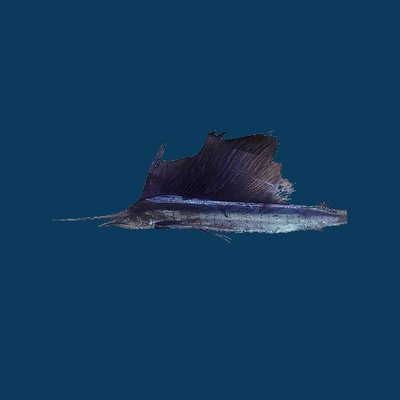
The Maldives has one of the most underrated sailfish fisheries in the Indian Ocean. Here's the practical breakdown: when to come, where to fish, and the techniques that actually work.