Species Guide
Giant Trevally on Poppers: A Complete Tactical Guide
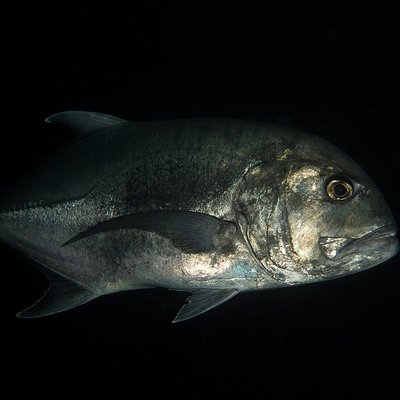
GT popping is the most exciting form of saltwater fishing on the planet. Here's the practical guide: rods, reels, lures, retrieves, timing, and what actually triggers GT to attack.
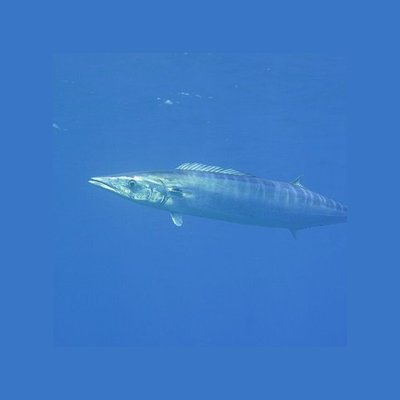
Wahoo are the fastest fish in tropical Southeast Asian waters. Here's the practical breakdown — where to find them, what gear handles them, and the trolling technique that produces strikes.
21 April 2026Wahoo are the speed demons of saltwater fishing. They strike at over 50 knots, leave dramatic surface displays, and run hard enough to scorch reels. Across Southeast Asia and the Indian Ocean, they're a bonus species on most trips and a primary target on others.
Here's how to fish them properly.
Acanthocybium solandri. A long, slender pelagic mackerel-relative known for explosive speed. Trophy fish hit 30–40kg+ but most caught are in the 8–20kg range. Razor-sharp teeth that will cut anything that isn't wire.
Wahoo are pan-tropical pelagics. In the regions we fish:
Wahoo are caught year-round in tropical waters but with peak windows:
The headline technique. Wahoo strike fast-moving lures more aggressively than slow ones. Effective trolling speeds are 8–14 knots — faster than typical billfish trolling.
The lures: heavy bullet-head jet lures or weighted heads that track straight at speed without skipping. Some setups use planers to get lures running 5–15m below the surface, where wahoo often hunt.
Slower technique (3–5 knots) with live bonito or skipjack rigged on a stinger setup. Effective when wahoo are concentrated on structure.
Less common but productive when wahoo are visible at the surface. Large stickbaits cast across feeding fish produce dramatic strikes.
Wahoo are tough on gear — the combination of speed and teeth demands purpose-built tackle.
The first run is the show. A hooked wahoo screams off 100–200m of line in seconds, sometimes airborne. After that initial burst, the fight is shorter than the speed suggests — wahoo tire fast.
Most are landed in 10–20 minutes. The challenge is the initial run, not endurance.
Wahoo are excellent eating — firm, white, mild. If you're keeping the fish, ike-jime and ice immediately. The flesh deteriorates fast in tropical heat.
If releasing, careful handling matters. The teeth are dangerous — use long pliers, support the fish with a glove. Wahoo do release reasonably well but mortality is higher than for tuna due to deep hooking with skirted lures.
Wahoo bite once. Hard. The teeth slice rather than crush, and they're laterally aligned for cutting motion. A 50-knot strike on monofilament leader results in an instant bite-off about 80% of the time.
The standard rig: 6–10ft of 200lb fluorocarbon as your shock leader, then 12–18 inches of single-strand stainless wire (40–80lb test) as the bite tippet, connected via haywire twist and an Albright knot to the fluoro.
Yes — particularly in destinations like the Maldives' southern atolls or some Indonesian zones. But more typically wahoo are a high-value bycatch on broader pelagic trips. They show up in trolling spreads aimed at tuna or marlin and create immediate excitement.
Our Maldives and Indonesia expeditions both include wahoo trolling as part of bluewater days. View upcoming trips or contact us to plan a custom expedition targeting wahoo specifically.
GT popping is the most exciting form of saltwater fishing on the planet. Here's the practical guide: rods, reels, lures, retrieves, timing, and what actually triggers GT to attack.
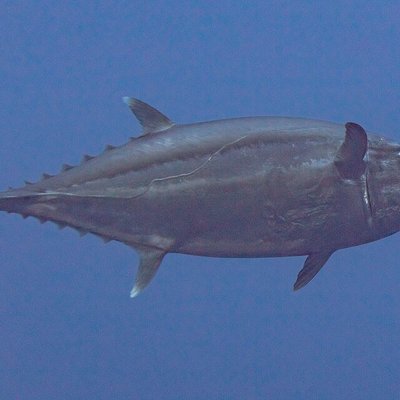
Dogtooth tuna are one of the hardest-fighting fish in the ocean. Here's where to find them, what gear actually stops them, and the technique that produces trophies.
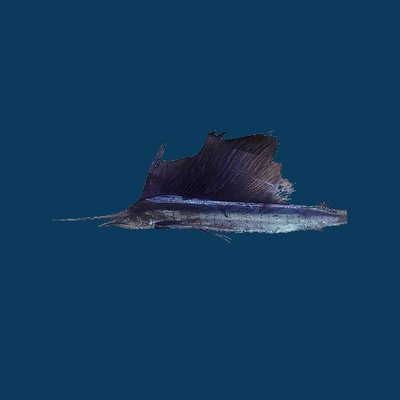
The Maldives has one of the most underrated sailfish fisheries in the Indian Ocean. Here's the practical breakdown: when to come, where to fish, and the techniques that actually work.